
Planning Ahead
How Can I Prepare My Home for Hurricane Season?
Storm Prep in Florida: What Actually Helps When the Power Gets Weird
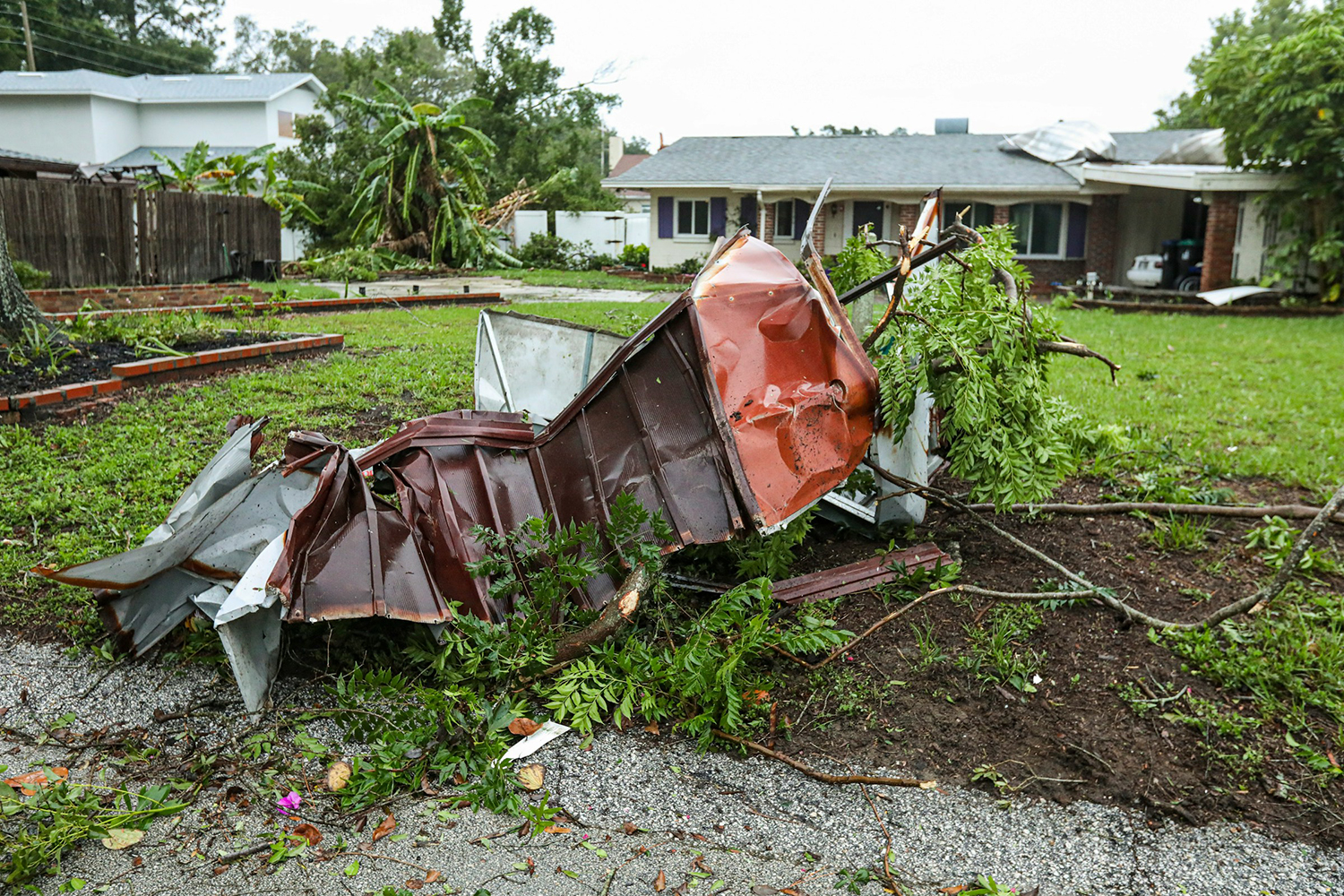
If you’ve lived in Florida long enough, you already know how this goes. The forecast looks iffy, the afternoon storms start rolling in, and suddenly the lights flicker. Or power goes out completely, sometimes for a few minutes, occasionally for days.
I’ve been an electrician my entire career, and before that, I grew up here. I’ve seen what storms do to homes, electrical systems, and people’s nerves. Every hurricane season, I hear the same questions from our clients:
“Do I need surge protection?”
“Should I get a generator?”
“Is my house even grounded properly?”
To be honest, all three matter, and they work best together.
Surge Protection: It’s About Reducing Risk, Not Magic
Let’s clear something up right away: No residential system can stop a direct lightning strike. Anyone telling you otherwise is overselling.
What whole-home surge protection does do (and does well) is help manage the everyday surge events that happen constantly during stormy weather or just regular (ahem, hot) Florida conditions:
Nearby lightning (not direct hits)
Power going out and coming back on
Utility switching and grid fluctuations
Big appliances cycling during unstable voltage
Most of the damage I see isn’t from a dramatic lightning strike; it’s from repeated smaller surges that slowly cook electronics over time. Surge protection helps limit how much of that energy makes it into your home’s wiring.
Think of it like a seatbelt. It doesn’t make accidents impossible — it just makes the outcome a lot better.
Generators: Keeping the Lights (and Life) On
Surge protection helps when power is unstable. Generators help when power is gone.
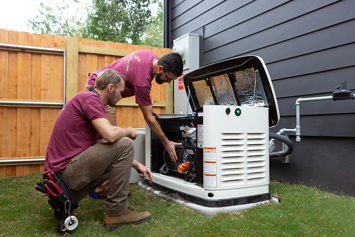
Whether it’s a whole-home standby generator that kicks on automatically, or a portable generator with a proper interlock kit, generators help keep critical systems running:
Refrigerators and freezers
Medical devices and refrigerated medications
Security systems and lighting
Wi-Fi, home offices, and basic comfort
One thing I stress to homeowners: a generator should never be “back-fed” through an outlet or extension cord. That’s dangerous, illegal, and puts lineworkers at risk. If you’re going to use a generator, it needs to be connected safely through a transfer switch or interlock.
Grounding: The Part Nobody Thinks About (But Should)
Here’s the unglamorous truth: Surge protection and generators only work as well as your grounding system allows. If your home has old or inadequate grounding, was built before modern grounding standards, or there’s corrosion at the ground rods or bonding points, then surge protection can’t divert energy properly, and generators may not operate as cleanly or safely as they should.
When we install surge protection or generator connections, we always look at grounding and bonding. It’s not flashy, but it’s foundational. Grounding is where excess energy is supposed to go — and if there’s nowhere good for it to go, it finds other paths. Usually through electronics.
Storm Prep Is a System, Not a Single Product
The most storm-ready homes I see don’t rely on one thing. Their defenses combine proper grounding and bonding, whole-home surge protection, and a generator solution sized for their needs.
Not everyone needs everything. But understanding how they fit together helps you make smarter decisions before a storm is on the radar.
Because once a storm is in the forecast, it’s already late to start preparing.
Final Thought from a Florida Native
Storms are part of life here. Always have been. Eliminating all risk isn’t possible. The goal is to reduce risk, protect what matters, and avoid preventable damage.
It's okay if you’re not sure where your home stands. Most people aren’t. A straightforward evaluation can tell you a lot — and help you decide what makes sense for your home, your budget, and your peace of mind.